
Every traveler starts the planning process with the same question: which package actually fits how I want to travel? A family with young kids needs a very different rhythm than a couple looking for a quiet honeymoon, and a solo traveler has entirely different priorities around flexibility and safety. That’s why searching for the best travel tour packages rarely has one single answer — the “best” package depends on who is traveling, what they want to experience, and how much time and budget they have to work with.
India makes this both easier and harder. Easier, because the country offers an enormous range of experiences — deserts, backwaters, hill stations, beaches, wildlife reserves, and centuries-old heritage sites — often within a few hours of each other. Harder, because that same variety means a poorly chosen package can leave you exhausted from overplanning, or disappointed by a trip that never matched your actual interests.
This guide walks through how family, couple, and solo travel packages differ, which destinations tend to suit each traveler type, what a typical package includes, and how to compare options so you can choose confidently rather than guessing. Whether you’re planning a relaxed family holiday, a romantic getaway, or a solo trip built around flexibility, the goal here is to help you evaluate best travel tour packages the way an experienced travel advisor would — practically, and without the sales pressure.
Why Choosing the Right Travel Package Matters
Not every package is built the same way, and the difference often shows up only after the trip has started. A package designed for a large family group, with slower pacing and child-friendly stops, will feel completely wrong for a couple wanting long, uninterrupted days in a hill town. Similarly, a fixed group itinerary can feel restrictive to a solo traveler who wants to change plans midway.
A handful of factors decide whether a package will actually work for you:
- Budget — what’s included in the quoted price, and what you’ll likely pay for separately
- Travel style — relaxed sightseeing versus an activity-packed schedule
- Number of days — enough time to enjoy each stop without rushing between cities
- Destination mix — whether the chosen places genuinely complement each other geographically
- Season — weather can make or break certain destinations
- Accommodation category — budget, mid-range, or premium hotels
- Transportation — private vehicle, shared transfers, or a mix of flights and road travel
- Activities included — sightseeing only, or curated experiences and excursions
- Group size — a private trip versus a shared group tour
- Personal interests — heritage, nature, food, adventure, or simply rest
When these elements line up with your expectations, the trip tends to run smoothly. When they don’t, even a well-reviewed operator can leave you disappointed. This is really the starting point for evaluating any package before booking it.
Best Travel Tour Packages in India for Families
Family travel has its own logic. Trips need to accommodate different age groups, energy levels, and attention spans, and the itinerary usually works better when it isn’t overloaded with back-to-back sightseeing. Good family-oriented India tour packages tend to build in rest time, choose centrally located hotels, and avoid long stretches of travel on a single day.
Best Destinations for Family Holidays
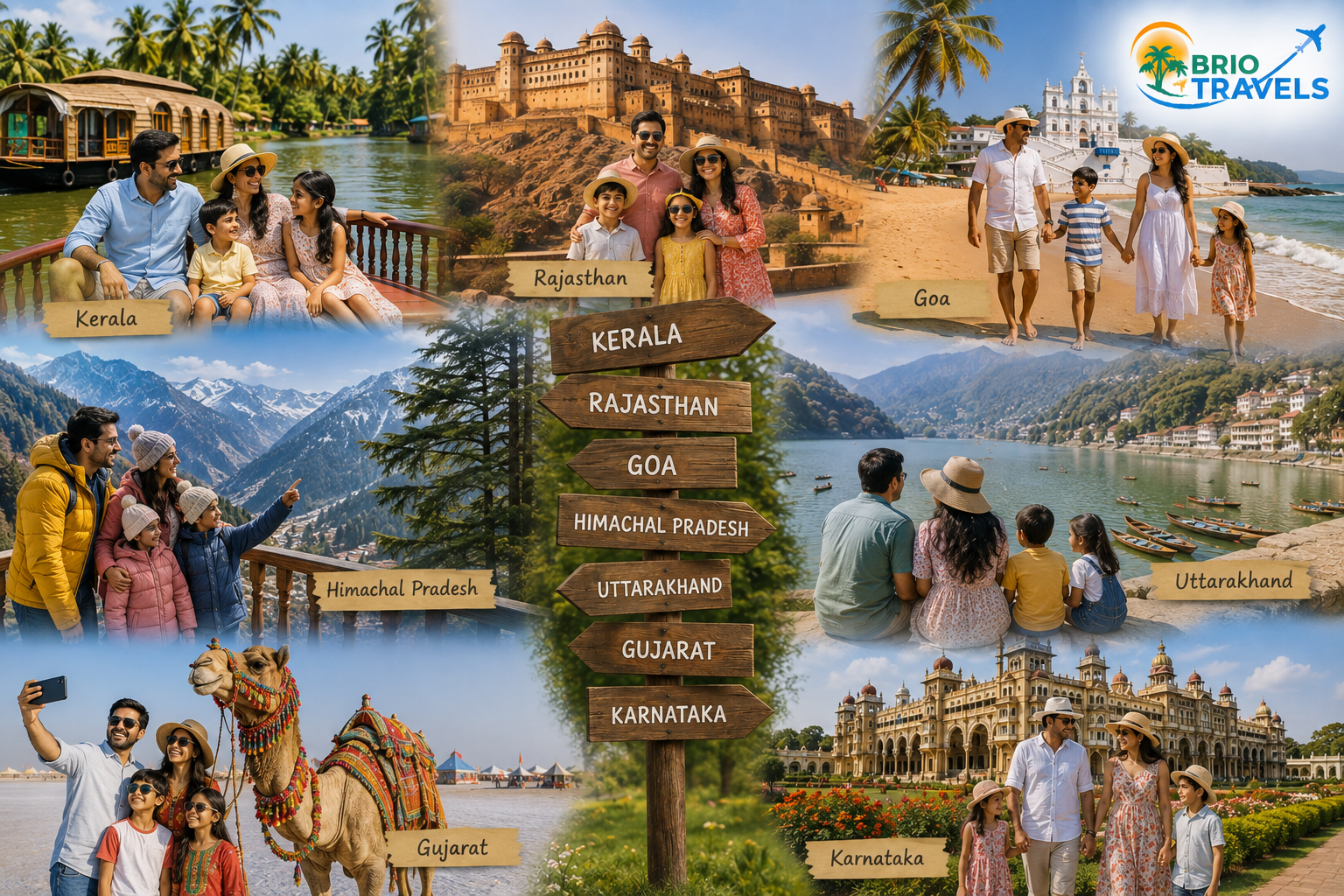
Kerala — Backwater houseboat stays, wildlife sanctuaries, and hill stations like Munnar give families a mix of relaxation and gentle exploration. A 5–7 day itinerary covering the backwaters and one hill destination usually works well without feeling rushed.
Rajasthan — Forts, palaces, and desert experiences appeal to older children in particular. Cities like Jaipur, Udaipur, and Jodhpur are well set up for family travel, with a good spread of hotel categories and manageable travel distances between them.
Goa — A dependable choice for families wanting beaches alongside some sightseeing. Shorter transfer times and a wide range of family-friendly resorts make it easier to plan a relaxed 4–5 day trip.
Himachal Pradesh — Shimla and Manali offer cooler weather, outdoor activities, and scenic drives that many families enjoy, particularly during summer months when other parts of the country are hot.
Uttarakhand — Destinations like Nainital and Mussoorie work well for shorter family breaks, with lake views, easy walks, and a slower pace.
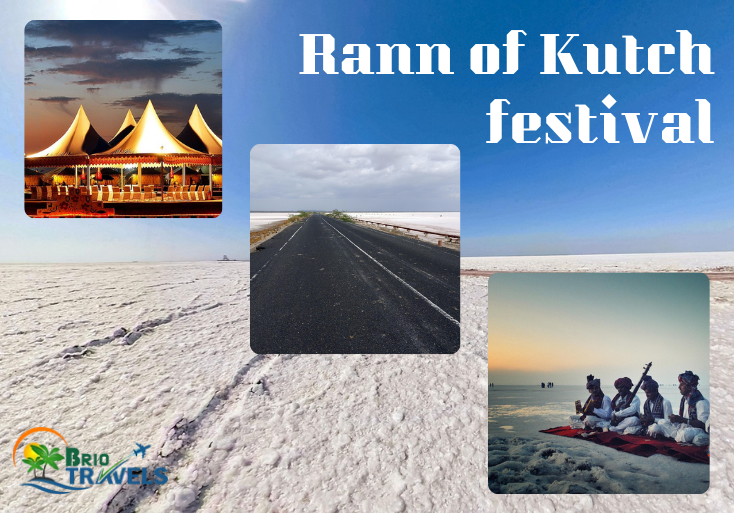
Gujarat — The Rann of Kutch and heritage cities like Ahmedabad suit families interested in culture and a slightly less crowded travel experience.
Karnataka — Coorg and Mysore combine greenery, wildlife, and heritage architecture, making them a good fit for families who enjoy nature alongside sightseeing.
What Families Should Look for in a Tour Package
- Family-friendly hotels with connecting or larger rooms, and reliable amenities.
- Comfortable transportation, ideally a private vehicle rather than shared transfers.
- Child-friendly activities built into the itinerary rather than adult-only excursions.
- Flexible sightseeing, so the day can be shortened if children get tired.
- Meal options that account for different preferences, including simpler food for kids.
- Reasonable travel time between destinations — long drives can be difficult with young children.
- Emergency and local support, so there’s someone to contact if plans need to change.
Best Travel Tour Packages in India for Couples
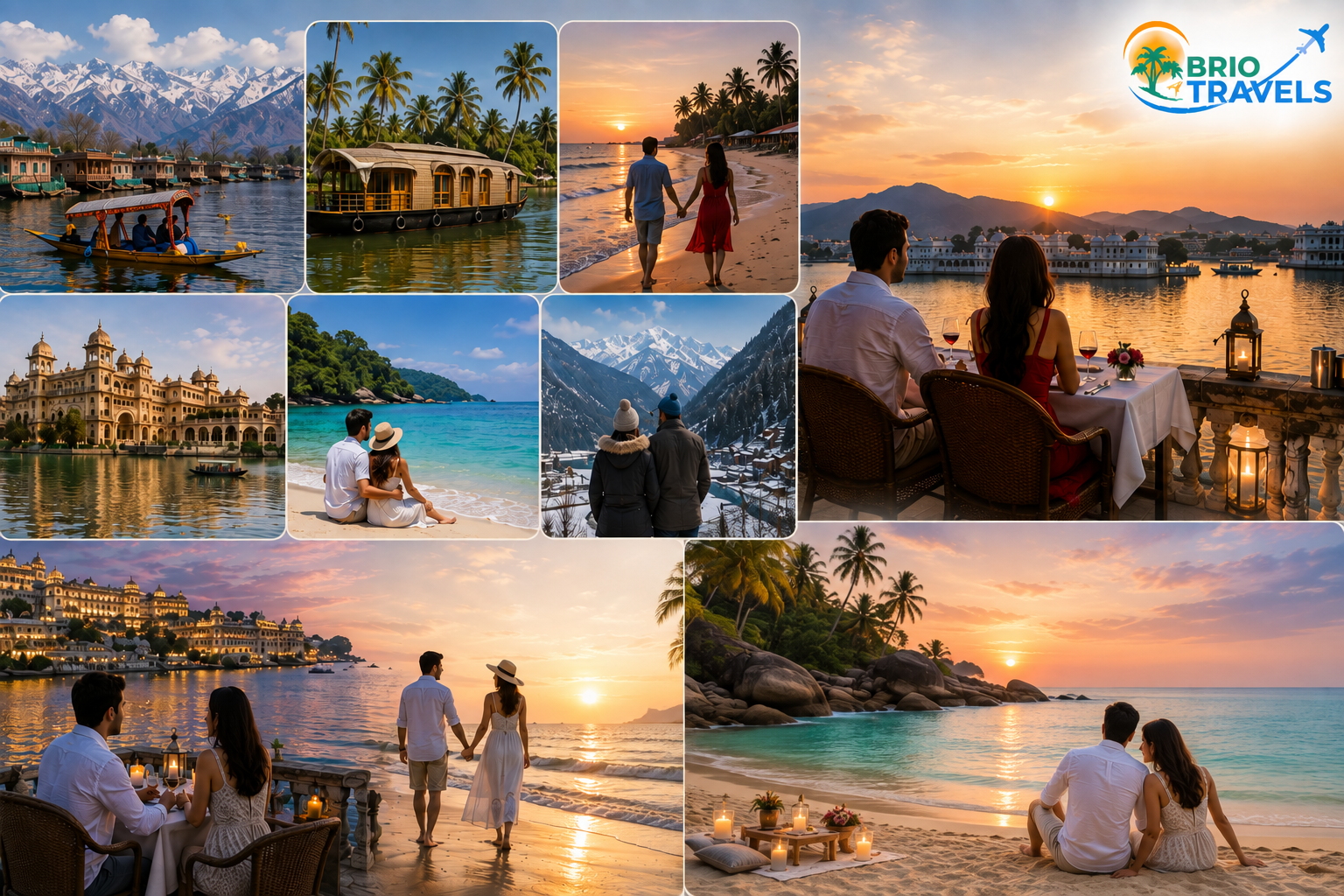
Couples generally want two things that don’t always go together: romance and flexibility. The best couple-oriented packages create space for quiet, private moments while still covering enough of the destination to make the trip feel complete.
Best Destinations for Couples
Kashmir — Houseboats on Dal Lake, mountain views, and Gulmarg’s alpine scenery make it a long-standing favorite for couples seeking a scenic, slower-paced trip.
Kerala — A private backwater houseboat stay is one of the most popular romantic experiences in the country, often paired with a hill station stop in Munnar or Thekkady.
Goa — Beaches, sunset views, and a relaxed pace suit couples who want downtime built into the trip rather than constant sightseeing.
Rajasthan — Heritage hotels and palace stays in Udaipur and Jaipur offer a distinctive, romantic setting that’s hard to replicate elsewhere in India.
Andaman & Nicobar Islands — Clear waters and a genuinely remote feel make this a strong choice for couples wanting a beach trip that feels different from mainland options.
Himachal Pradesh — Manali, Kasol, and Dharamshala suit couples who prefer mountains, outdoor activity, and a cooler climate over beaches.
Udaipur — Often treated as a destination in its own right, thanks to its lake views and palace architecture, and works well as a shorter 3–4 day romantic break.
Honeymoon Packages vs Regular Couple Holidays
These terms are often used loosely, but they usually mean different things in practice:
- Honeymoon packages are typically curated with added romantic touches — better room categories, occasional private experiences, and a slightly more relaxed pace.
- Romantic weekend trips are shorter, budget-friendly getaways focused on one or two destinations rather than a full circuit.
- Luxury couple holidays prioritize premium accommodation and personalized service over covering multiple destinations.
- Adventure couple trips are built around activities — trekking, water sports, or wildlife safaris — with romance as a secondary element rather than the main focus.
Knowing which category you actually want helps avoid paying for inclusions (like elaborate room décor or private dinners) that may not matter to you, or missing them if they do.
Best Travel Tour Packages in India for Solo Travelers
Solo travel works best when the package leaves room for spontaneity. Rigid, back-to-back itineraries can feel restrictive, so many solo travelers prefer either flexible customized plans or well-run group tours where they can meet other travelers without losing independence.

Best Destinations for Solo Travelers
Rishikesh — Known for yoga, adventure activities, and a strong backpacker community, it’s one of the easier places in India to travel solo comfortably.
Himachal Pradesh — Towns like McLeod Ganj and Kasol have well-established solo and backpacker travel infrastructure.
Rajasthan — Popular enough that solo travelers, particularly first-timers in India, will find plenty of group tours and hostels to choose from.
Kerala — A relatively easy state to navigate independently, with good transport links between backwater towns and hill stations.
Goa — A common starting point for solo travelers in India, with a large number of short-term stays and an easy-going travel culture.
Meghalaya — Living root bridges and a cooler, greener landscape appeal to solo travelers looking for something less conventional.
Sikkim — Mountain views and a slower pace of life make it a good choice for solo travelers who prefer nature over crowds.
What Solo Travelers Should Consider
- Safety — research the destination and choose accommodation in well-connected areas.
- Transportation — decide between self-drive, local transport, or arranged transfers.
- Accommodation type — hostels and guesthouses versus private hotel rooms.
- Local experiences — walking tours, cooking classes, or small-group excursions.
- Flexible itineraries — the ability to add or skip a day without penalty.
- Group tours vs private tours — group tours can be more social and often more affordable; private tours offer full control over the schedule.
Popular Types of Travel Tour Packages in India
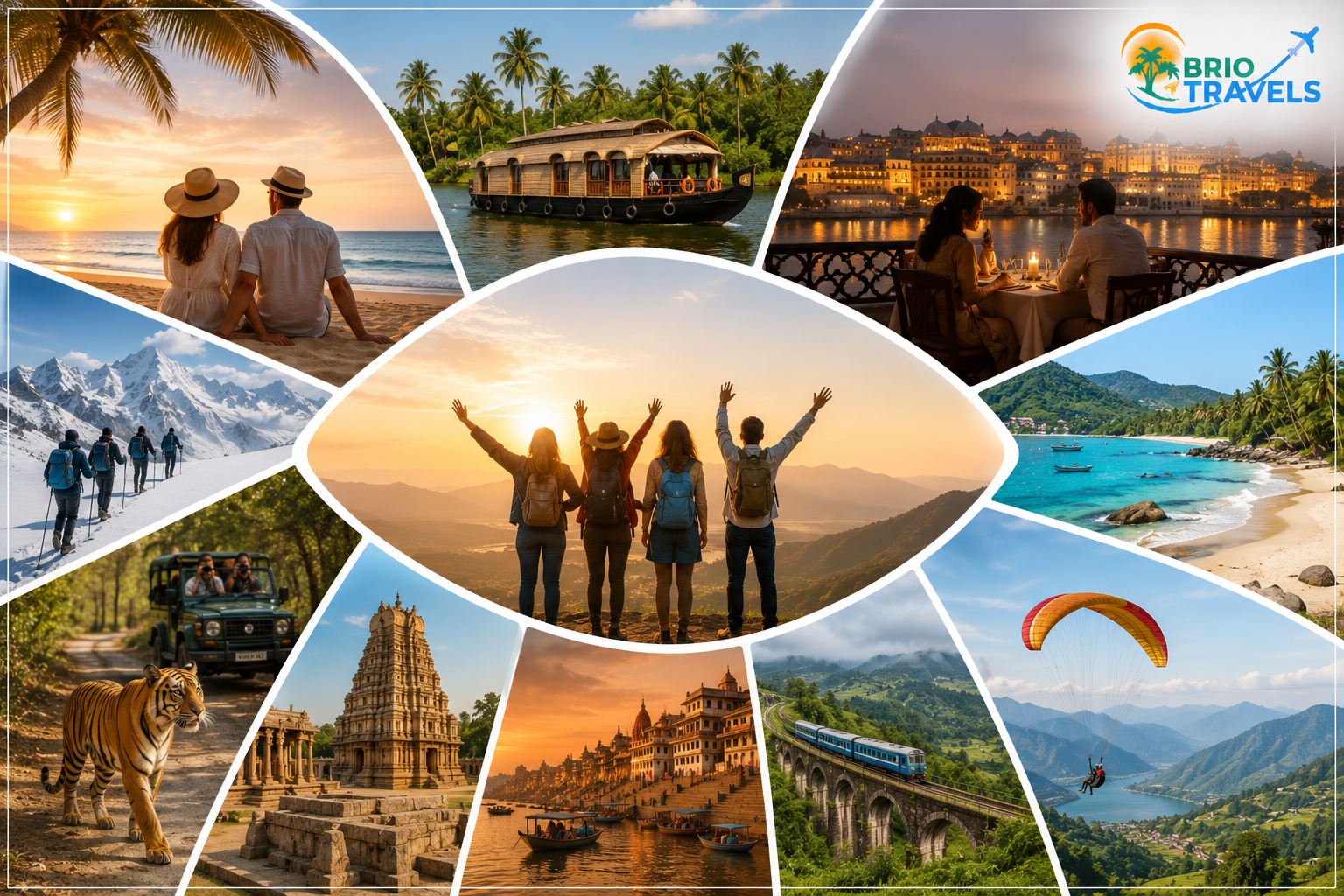
Family Tour Packages
Built around comfort and pacing rather than covering the maximum number of places. Best suited for multi-generational groups or families with young children. Typical duration ranges from 5–8 days, and the most important booking consideration is confirming hotel room configurations in advance.
Honeymoon Tour Packages
Focused on privacy and a relaxed schedule, often combining one scenic destination with one beach or lake destination. Suitable for couples in their first year of marriage, typically 4–7 days. It’s worth checking whether “honeymoon inclusions” are genuinely added or simply a marketing label.
Adventure Tour Packages
Designed around activities — trekking, river rafting, paragliding, or wildlife safaris. Best for travelers comfortable with a physically active schedule. Duration varies widely depending on the activity, and it’s important to confirm safety equipment and guide qualifications before booking.
Beach Holiday Packages
Centered on coastal destinations like Goa, Andaman, or Gokarna, with a slower pace and fewer daily activities. Suitable for anyone wanting rest over sightseeing, typically 3–6 days. Season matters significantly here, since monsoon months can limit water activities.
Luxury Tour Packages
Built around premium accommodation, private transport, and personalized service rather than covering more destinations. Suited to travelers prioritizing comfort and service quality over budget. It’s worth clarifying exactly which luxury inclusions are guaranteed versus optional add-ons.
Budget Tour Packages
Focused on value — shared transport, mid-range hotels, and standard sightseeing without extras. Good for first-time travelers or those prioritizing destinations over comfort level. Reviewing exclusions carefully matters more here, since extra costs can add up.
Wildlife Tour Packages
Centered on national parks and sanctuaries such as Ranthambore, Bandhavgarh, or Kaziranga. Suited to nature and wildlife enthusiasts, typically 3–5 days per park. Safari bookings often need to be confirmed well in advance due to limited permits.
Cultural & Heritage Tour Packages
Focused on forts, palaces, temples, and historical sites, common in Rajasthan, Madhya Pradesh, and Tamil Nadu. Best for travelers interested in history and architecture, usually paired with a local guide for context.
Spiritual & Religious Tour Packages
Covers pilgrimage circuits such as the Char Dham, Varanasi, or South Indian temple towns. Suited to travelers with specific religious or spiritual goals, and itineraries here often need to work around temple timings and seasonal accessibility.
Weekend & Short-Trip Packages
Compact 2–3 day trips to nearby hill stations or heritage towns, ideal for travelers with limited time. These work best when the destination is genuinely reachable within the available days, without excessive travel time eating into the trip itself.
Each category serves a different purpose, and it’s worth resisting the temptation to combine too many types into a single trip — an itinerary trying to be a wildlife trip, a beach holiday, and a heritage tour all at once often ends up doing none of them well.
Best Indian Destinations to Include in a Tour Package
Rajasthan — Heritage and desert travel. Main draws include forts, palaces, and Thar Desert experiences. Suits history-focused and family travelers alike. A 6–8 day circuit covering Jaipur, Jodhpur, and Udaipur is common. Fixed heritage-focused packages tend to work well here.
Kerala — Backwaters and hill stations. Best known for houseboat stays, tea plantations, and wildlife sanctuaries. Suits couples and families. Typically 5–7 days. Customized packages allow better control over pacing.
Goa — Beaches and coastal culture. Main draws are beaches, Portuguese-era architecture, and nightlife. Suits couples, solo travelers, and groups. Usually 3–5 days. Both fixed and customized packages are widely available.
Kashmir — Mountain and lake scenery. Known for Dal Lake, Gulmarg, and Pahalgam. Suits couples and nature-focused travelers. Around 5–6 days, generally best planned with local weather updates in mind given seasonal variability.
Himachal Pradesh — Hill stations and outdoor activity. Shimla, Manali, and Dharamshala are the main draws. Suits families, couples, and solo travelers. Typically 5–7 days, with flexible packages useful given the range of activity levels involved.
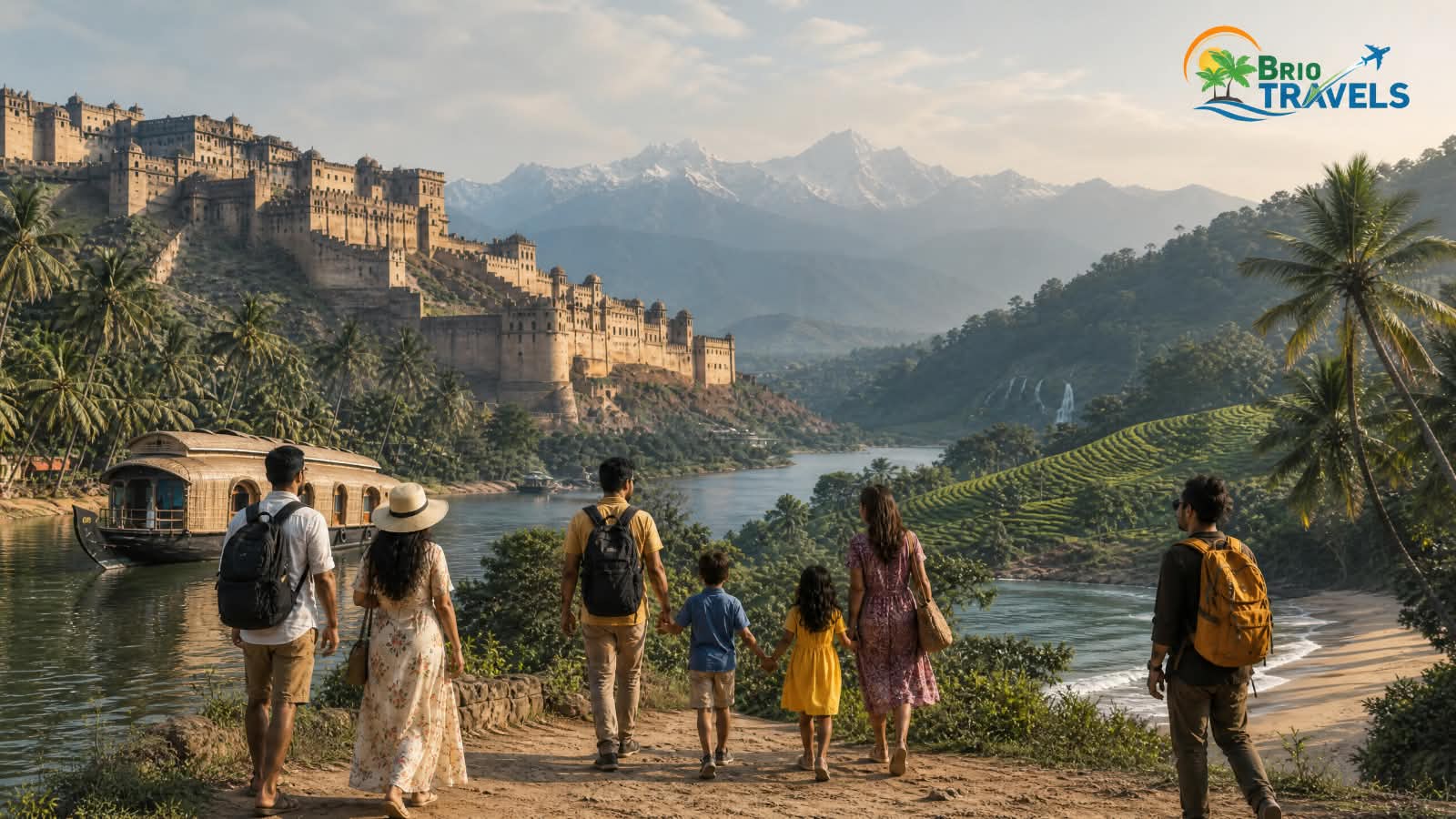
Uttarakhand — Hills, lakes, and pilgrimage sites. Includes Nainital, Mussoorie, and the Char Dham circuit. Suits families and spiritually motivated travelers. Duration varies significantly by itinerary, from short 3-day trips to longer pilgrimage circuits.
Gujarat — Heritage and unique landscapes. Known for the Rann of Kutch, Gir National Park, and Ahmedabad’s heritage architecture. Suits culturally curious travelers. Around 5–6 days, often combined into a customized circuit.
Karnataka — Nature and heritage combined. Coorg, Mysore, and Hampi are key draws. Suits couples and families. Typically 5–7 days.
Tamil Nadu — Temple architecture and coastal towns. Main highlights include Madurai, Rameswaram, and Pondicherry. Suits heritage and spiritually inclined travelers. Around 5–7 days.
Madhya Pradesh — Wildlife and heritage combined. Includes Khajuraho, Bandhavgarh, and Kanha. Suits wildlife enthusiasts and heritage travelers. Typically 5–6 days, with safari bookings needing early confirmation.
Seasonal suitability varies by region and can shift from year to year, so it’s worth checking current conditions for your specific travel dates rather than relying only on general guidance.
How to Choose the Best Travel Tour Packages for Your Trip
Decide Your Travel Budget
Set a realistic range before comparing packages, and account for costs that may sit outside the package, such as flights or personal expenses.
Choose Your Destination
Match the destination to your traveler type — family, couple, or solo — rather than choosing based on popularity alone.
Select the Right Trip Duration
Avoid over-packing the itinerary. A shorter trip with fewer destinations is often more enjoyable than a longer one that rushes through too many places.
Compare Hotel Categories
Hotel star ratings can vary in what they actually include, so check specific property names rather than relying on the category label alone.
Check Transportation and Transfers
Confirm whether transport is private or shared, and how transfers between cities are handled.
Review Inclusions and Exclusions
Read this section carefully; it’s usually where the real difference between similarly priced packages shows up.
Understand Cancellation and Payment Policies
Know the refund timeline and any non-refundable components before paying.
Check Customization Options
Even within a fixed package, ask whether small changes — an extra night, a different hotel, an added activity — are possible.
Budget vs Luxury Travel Packages in India
Travel packages generally fall into a few broad tiers, though the exact boundaries vary by operator and destination.
Budget travel typically means shared or standard transportation, 2–3 star accommodation, and a straightforward sightseeing itinerary with minimal extras.
Mid-range travel usually adds more comfortable 3–4 star hotels, private transport within the destination, and a somewhat more curated set of activities.
Premium travel generally includes 4–5 star accommodation, private transfers throughout, and additional experiences beyond standard sightseeing.
Luxury travel typically means top-tier hotels or resorts, fully private transport, personalized service, and often smaller group sizes or fully private itineraries.
Exact pricing varies significantly by season, destination, and operator, so it’s best to request current quotes rather than relying on fixed figures, which can change frequently.
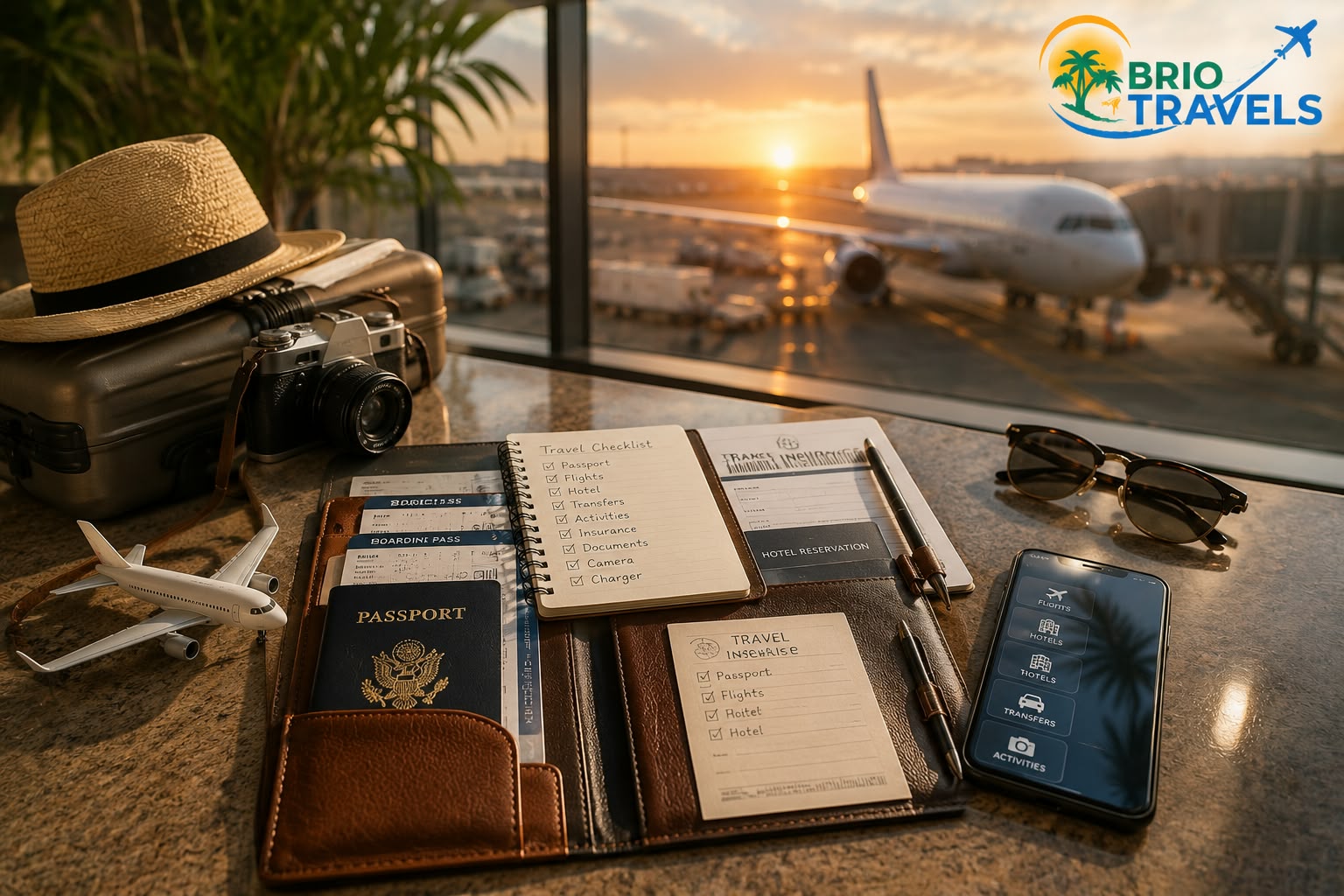
What Is Usually Included in an India Tour Package?
Common inclusions:
- Hotel accommodation for the duration of the trip
- Airport or railway station transfers
- Local transportation between sightseeing points
- Sightseeing as per the itinerary
- Breakfast, and sometimes additional meals depending on the package
- A tour guide or local assistance
- Specific activities where mentioned in the itinerary
Common exclusions:
- Flights, unless explicitly included
- Personal expenses such as shopping or additional snacks
- Travel insurance
- Entry fees at certain monuments or parks, where not specified
- Meals not listed in the itinerary
- Optional activities or excursions
Inclusions and exclusions differ meaningfully between operators, so it’s worth requesting a detailed, itemized list rather than relying on a general package description.
Best Time to Plan Travel Tour Packages in India
Seasonality affects several parts of a trip at once — not just the weather, but also pricing, crowd levels, and hotel availability.
Weather varies enormously across India’s regions; a season that’s ideal for Rajasthan’s deserts may be unsuitable for Himalayan destinations, and vice versa.
Prices tend to rise during peak travel windows and school holiday periods, and drop during off-season months, though availability can also drop for certain experiences like wildlife safaris.
Crowds are generally heavier around major festivals and school holidays, which can affect everything from hotel booking to monument access.
Hotel availability, particularly for heritage or boutique properties, can tighten significantly during peak season, making early booking worthwhile.
Because seasonal patterns and pricing shift over time, it’s a good idea to check current conditions and operator-specific pricing for your exact travel dates rather than relying on general assumptions.
Customized vs Fixed Tour Packages
Fixed Tour Packages
Pre-designed itineraries with set destinations, hotels, and schedules. These tend to be more affordable and simpler to book, since the planning work is already done. They suit travelers who are comfortable with a set structure and don’t need significant flexibility.
Customized Tour Packages
Built around individual preferences — chosen destinations, hotel categories, pacing, and included activities. These typically cost more due to the added planning effort, but offer far greater control over the trip.
Families often benefit from customized packages that can accommodate different age groups and energy levels.
Couples may prefer customized honeymoon or anniversary trips, though fixed packages can work well for shorter romantic getaways.
Solo travelers often do well with a mix — fixed group tours for social interaction, or customized itineraries for full independence.
Groups frequently use fixed packages for cost efficiency, particularly for larger numbers.
Luxury travelers typically lean toward customized packages to control every detail of the experience.
Budget travelers often prefer fixed packages, since they’re generally more cost-effective than building a custom itinerary from scratch.
How to Choose a Reliable Travel Company
A practical checklist to review before booking:
- A clear, day-by-day itinerary rather than a vague overview
- Transparent pricing, with no hidden costs revealed only after booking
- Proper hotel information, including actual property names, not just star ratings
- Written inclusions and exclusions, ideally in the booking confirmation
- A clear cancellation policy, including refund timelines
- Reliable customer support, ideally with a local contact during the trip
- Genuine reviews from verifiable sources
-
Clear payment terms, including deposit and balance schedules
- Willingness to customize the itinerary where reasonable
- Emergency assistance availability throughout the trip
It’s worth verifying these details directly with any specific travel company you’re considering, since standards vary considerably across operators.
FAQs About Best Travel Tour Packages in India
What are the best travel tour packages in India?
There’s no single “best” package — it depends on who’s traveling. Family packages prioritize comfort and pacing, couple packages focus on privacy and romance, and solo packages emphasize flexibility. The right choice depends on your travel style, budget, and destination preferences.
Which India tour packages are best for families?
Kerala, Rajasthan, and Himachal Pradesh are commonly chosen for family trips, thanks to a good mix of family-friendly hotels, manageable travel distances, and activities suited to different age groups.
What are the best destinations for couples in India?
Kashmir, Kerala, Goa, and Udaipur are popular choices, each offering a different kind of romantic experience — from houseboat stays to palace hotels to beach settings.
Which destinations are suitable for solo travelers?
Rishikesh, Himachal Pradesh, Goa, and Rajasthan are generally considered easier and safer starting points for solo travel in India, with established backpacker infrastructure.
How many days are enough for an India tour?
This depends heavily on the destinations chosen. A single-region trip can work well in 4–6 days, while a multi-destination circuit often needs 8–10 days or more to avoid rushing.
Are customized India tour packages better than fixed packages?
Neither is inherently better — customized packages offer more control and flexibility, while fixed packages are usually more affordable and simpler to plan. The right choice depends on your priorities.
What is usually included in a tour package?
Most packages include accommodation, transfers, local transportation, and sightseeing. Flights, personal expenses, and certain entry fees are commonly excluded, though this varies by operator.
How can I choose a budget-friendly package?
Compare inclusions carefully rather than just the headline price, travel during off-peak season where possible, and consider fixed group packages, which are typically more cost-effective than custom itineraries.
What is the best time to book an India holiday?
Booking several months in advance generally secures better hotel availability and pricing, particularly for peak season travel or destinations with limited capacity, such as wildlife safaris.
Can tour packages be customized?
Most travel companies allow at least some customization, even within fixed packages — such as adding a night, changing a hotel category, or including an extra activity. It’s worth asking directly rather than assuming it isn’t possible.
Conclusion
Finding the best briotravel tour packages really comes down to matching the package to the traveler — a family needs comfortable pacing and flexible sightseeing, a couple usually wants privacy and a romantic setting, and a solo traveler benefits most from flexibility and the right balance of independence and support. Destinations like Kerala, Rajasthan, Goa, and Himachal.