
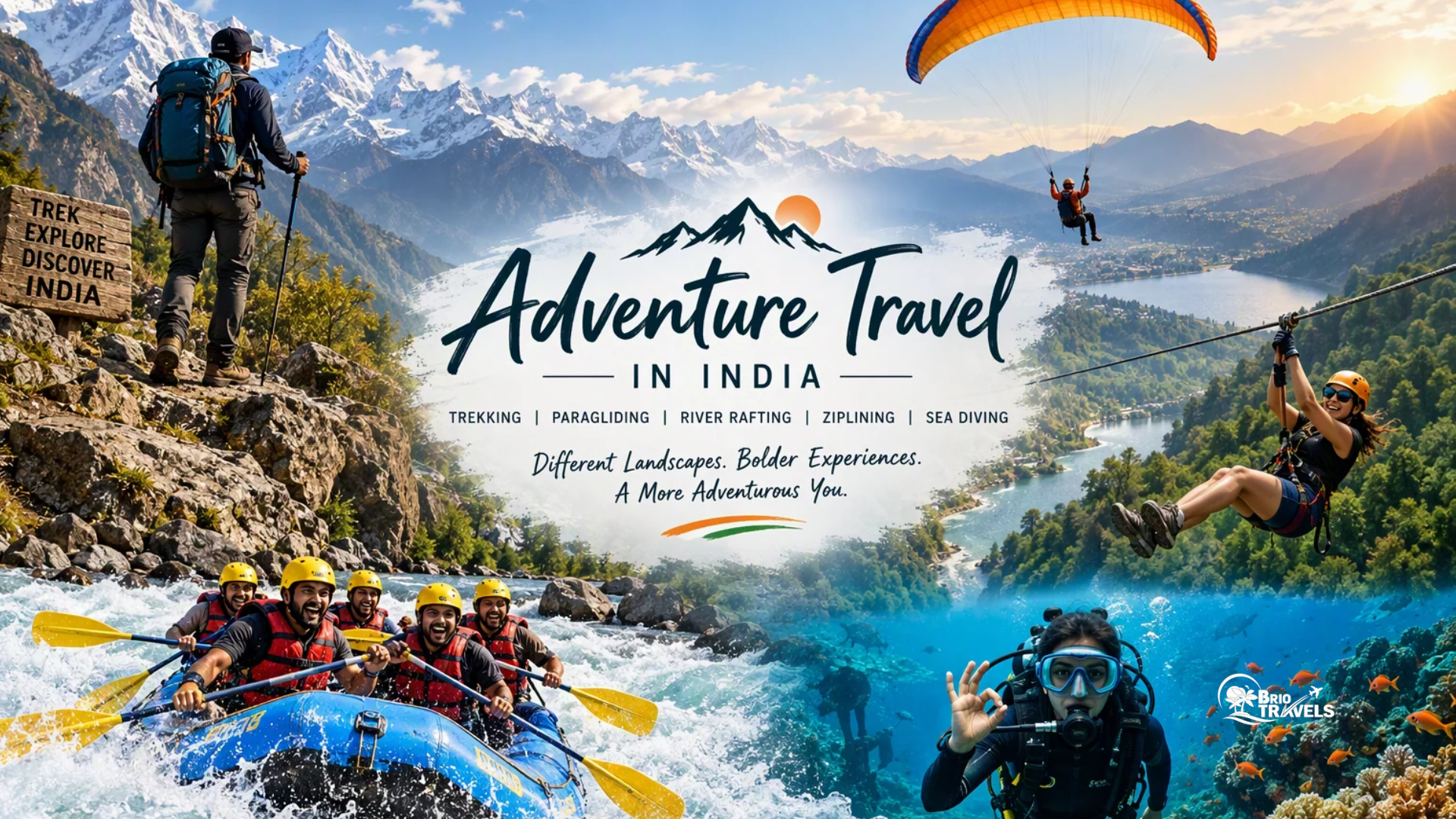
 Adventure travel is about more than visiting a new destination, taking photographs and returning home with souvenirs. It is about stepping outside familiar surroundings, trying something you have never done before and experiencing a place in a way that makes you feel truly connected to it. Whether it is trekking through a forest, camping beneath a sky full of stars, rafting through powerful rivers or exploring remote mountain villages, every experience brings a different kind of excitement.
Not every holiday needs to follow the same routine. Some travellers enjoy peaceful beaches and comfortable hotels, while others look for winding mountain trails, challenging landscapes and activities that get their adrenaline pumping. If you belong to the second group, an adventurous holiday may be exactly what you need.
India, with its extraordinary geographical diversity, offers countless opportunities for outdoor exploration. From the Himalayas in the north to the forests of central India, the rivers of the northeast and the rugged landscapes of the south, there is something for almost every kind of explorer.
The best part? You do not need to be a professional mountaineer or an experienced athlete to enjoy these experiences. With sensible planning, the right guidance and activities suited to your fitness level, you can begin with something simple and gradually challenge yourself.
Let’s explore what makes this style of travelling special, where you can experience it in India and how to plan a memorable trip.
What Is Adventure Travel and Why Is It Becoming Popular?
Adventure travel refers to journeys that involve outdoor activities, exploration, physical challenges or experiences that take travellers beyond conventional sightseeing. These trips often include activities such as trekking, hiking, wildlife exploration, river rafting, kayaking, camping, cycling and mountain adventures.
However, adventure does not always mean doing something extreme. Walking along a forest trail, spending a night in a remote campsite or exploring a less-visited village can also become a memorable experience.
The growing interest in experiential holidays reflects a change in the way people want to spend their time. Many travellers are no longer satisfied with simply ticking famous attractions off a list. They want to experience destinations, interact with local communities, discover hidden landscapes and return with stories worth sharing.
Adventure Travel Is About Experiences, Not Just Destinations
Think about two different holidays. On one, you spend most of your time travelling between popular tourist attractions. On the other, you wake up early to watch the sunrise from a mountain viewpoint, walk through a forest with a local guide and spend the evening around a campfire.
Both can be enjoyable, but the second offers a different level of involvement.
Adventure-focused holidays encourage travellers to participate rather than simply observe. The journey becomes as important as the destination itself.
A Chance to Disconnect From Everyday Routine
Daily life can become repetitive. Work, responsibilities, traffic and screen time often leave little room for spontaneous experiences. Spending time outdoors offers an opportunity to slow down and focus on something different.
A long walk through nature, a day spent exploring unfamiliar terrain or an overnight camping experience can help you step away from everyday distractions. It is not a replacement for professional mental healthcare, but many people find that outdoor experiences leave them feeling refreshed and more connected to their surroundings.
Types of Adventure Travel Experiences Worth Trying
There is no single definition of an adventurous holiday. The experience depends on your interests, fitness, comfort level and the kind of environment you want to explore.
Here are some popular activities to consider.
-
Trekking and Hiking
Trekking is one of the most rewarding ways to explore natural landscapes. It allows you to discover places that may not be accessible by regular vehicles and gives you time to appreciate the journey.
India has trekking opportunities for beginners as well as experienced hikers. You can choose gentle forest walks, moderate mountain routes or challenging high-altitude trails.
Some popular trekking regions include:
- Himachal Pradesh: Known for mountain trails, scenic valleys and routes around Manali and the Parvati region.
- Uttarakhand: Offers beautiful trekking landscapes around Kedarkantha, Dayara Bugyal and other Himalayan areas.
- Sikkim: Features mountain scenery, alpine landscapes and routes that require careful preparation.
- Meghalaya: Famous for its green surroundings, waterfalls, caves and living root bridges.
Before choosing a trek, check its difficulty, altitude, duration and seasonal conditions. A route that looks easy in photographs may be considerably more challenging in real conditions.
-
River Rafting and Water Adventures
For travellers who enjoy water-based excitement, river rafting can be an unforgettable experience. The combination of moving water, teamwork and changing river conditions makes it a thrilling outdoor activity.
Rishikesh in Uttarakhand is among India’s best-known rafting destinations. Other regions also offer opportunities for kayaking, canoeing and other water-based activities, depending on local conditions and authorised operators.
If you are trying rafting for the first time, choose a suitable beginner-level stretch and listen carefully to the safety briefing. Always wear the protective equipment provided and follow the instructions of trained guides.
Water activities should never be treated casually. River conditions can change quickly, so the operator’s safety standards and weather assessment matter just as much as the excitement of the activity.
-
Wildlife Safaris and Forest Exploration
Not all adventurous experiences involve physical challenges. Exploring a forest, spotting wildlife in its natural habitat and listening to the sounds of nature can be equally exciting.
India has several renowned wildlife destinations, including:
- Jim Corbett National Park in Uttarakhand
- Kaziranga National Park in Assam
- Ranthambore National Park in Rajasthan
- Kanha National Park in Madhya Pradesh
- Sundarbans National Park in West Bengal
A wildlife safari offers an opportunity to understand ecosystems and observe animals from a respectful distance. Sightings are never guaranteed, and responsible visitors should avoid disturbing animals or pressuring guides to approach wildlife.
For a more immersive experience, consider combining a safari with nature walks in permitted areas, birdwatching or visits to nearby local communities.
-
Camping Under the Open Sky
Camping is a wonderful way to experience a destination after the usual sightseeing hours. Instead of returning to a busy town or hotel, you spend the night surrounded by the natural environment.
Imagine watching the evening light disappear behind a mountain range, enjoying a simple meal outdoors and waking up to fresh morning air. These small moments often become the highlights of a trip.
Popular camping regions include parts of Himachal Pradesh, Uttarakhand, Ladakh, Rajasthan and the northeastern states.
Choose authorised campsites and check whether facilities such as drinking water, toilets, emergency support and suitable weather protection are available. If you are camping independently, understand the local rules and avoid setting up camp in restricted or environmentally sensitive areas.
-
Mountain Biking and Cycling
For travellers who enjoy movement and exploration, cycling offers a different perspective on a destination. You can travel through villages, discover quieter roads and appreciate the landscape at a slower pace.
Mountain biking is more demanding and usually involves uneven surfaces, steep climbs and technical sections. It is best suited to people with appropriate cycling experience and equipment.
Regions around Ladakh, Himachal Pradesh and Uttarakhand attract cycling enthusiasts, although route conditions, altitude and weather must be considered carefully.
Best Adventure Travel Destinations in India
India is an excellent country for travellers seeking variety. You can experience mountains, deserts, forests, rivers, islands and coastal landscapes without leaving the country.
The following destinations offer different kinds of outdoor experiences.
-
Rishikesh, Uttarakhand – For River Rafting and Outdoor Activities
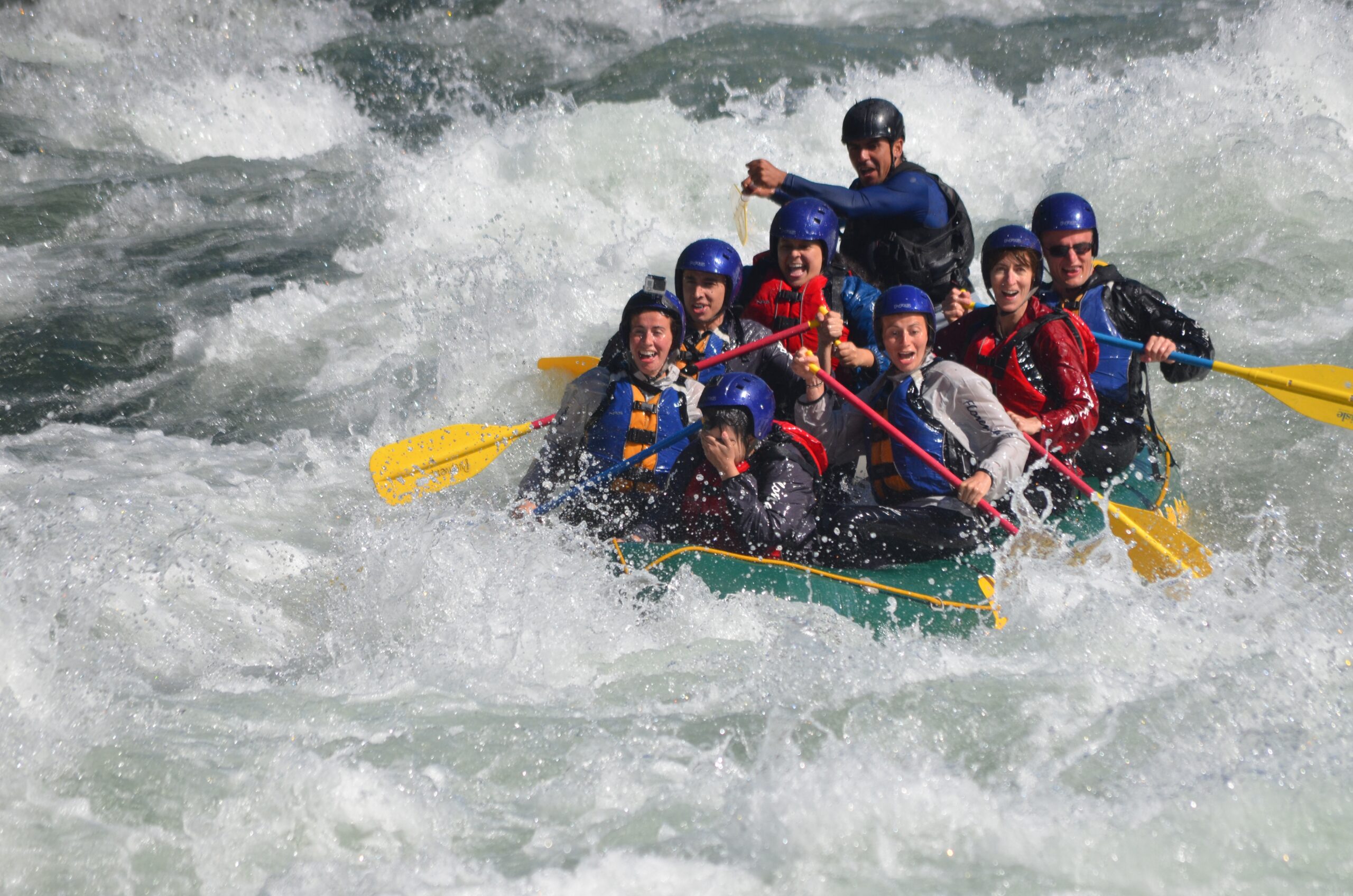
Rishikesh is widely recognised for river rafting on the Ganga. Beyond rafting, visitors can explore nearby hiking routes, enjoy riverside scenery and experience camping in designated areas.
It is a good option for travellers who want to combine adventure activities with a comfortable tourist infrastructure.
Things to try: River rafting, guided nature walks, camping and suitable outdoor activities offered by authorised operators.
Best suited for: First-time adventure seekers, groups of friends and travellers interested in river-based experiences.
-
Manali, Himachal Pradesh – For Mountain Experiences
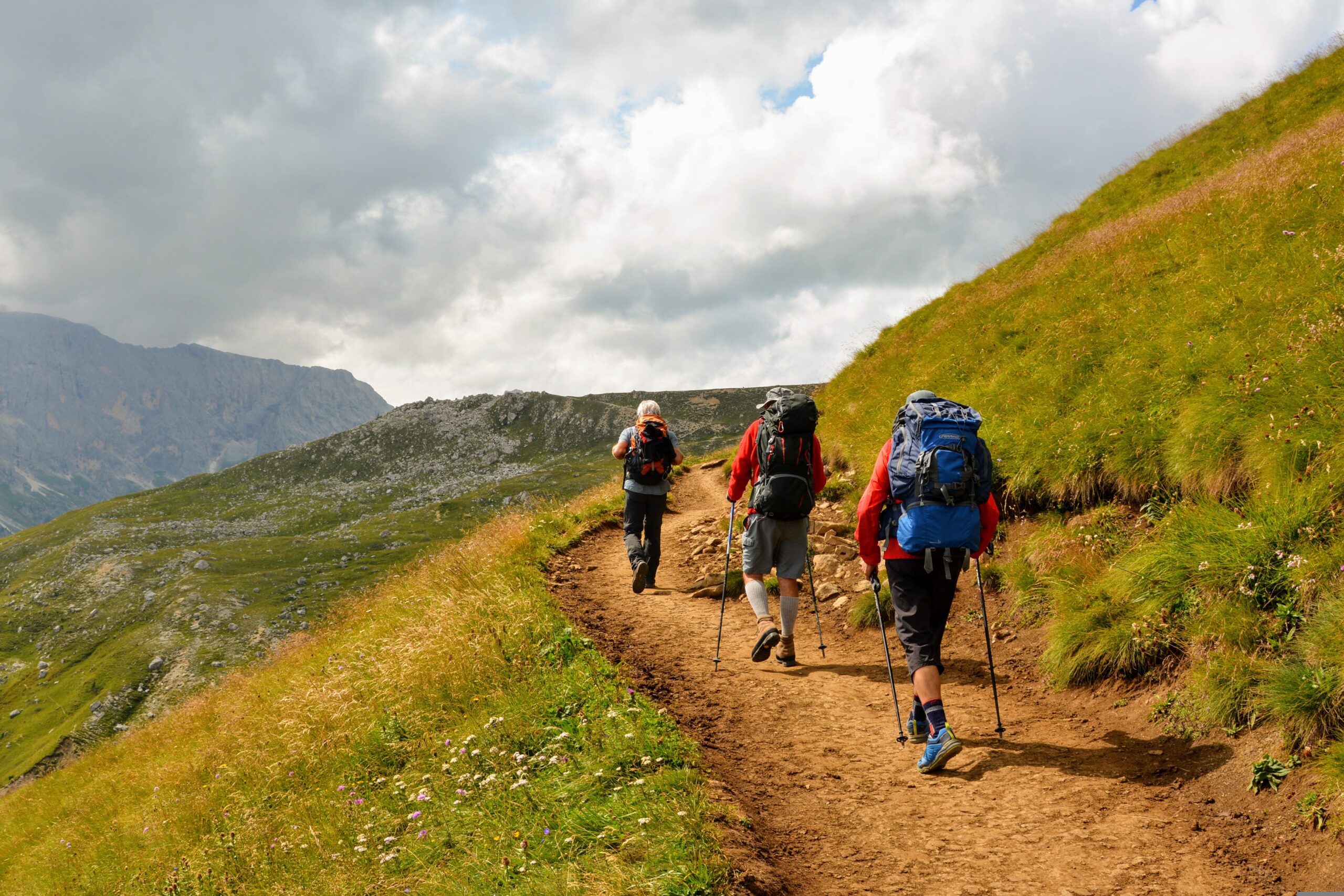
Manali is surrounded by dramatic mountain scenery and offers access to a variety of outdoor experiences. Depending on the season and local conditions, visitors can enjoy trekking, camping, mountain biking and snow-related activities.
Nearby valleys also provide opportunities to explore quieter landscapes and traditional settlements.
Things to try: Trekking, camping, cycling and seasonal snow activities.
Best suited for: Couples, families with older children and groups looking for mountain holidays.
-
Ladakh – For High-Altitude Exploration
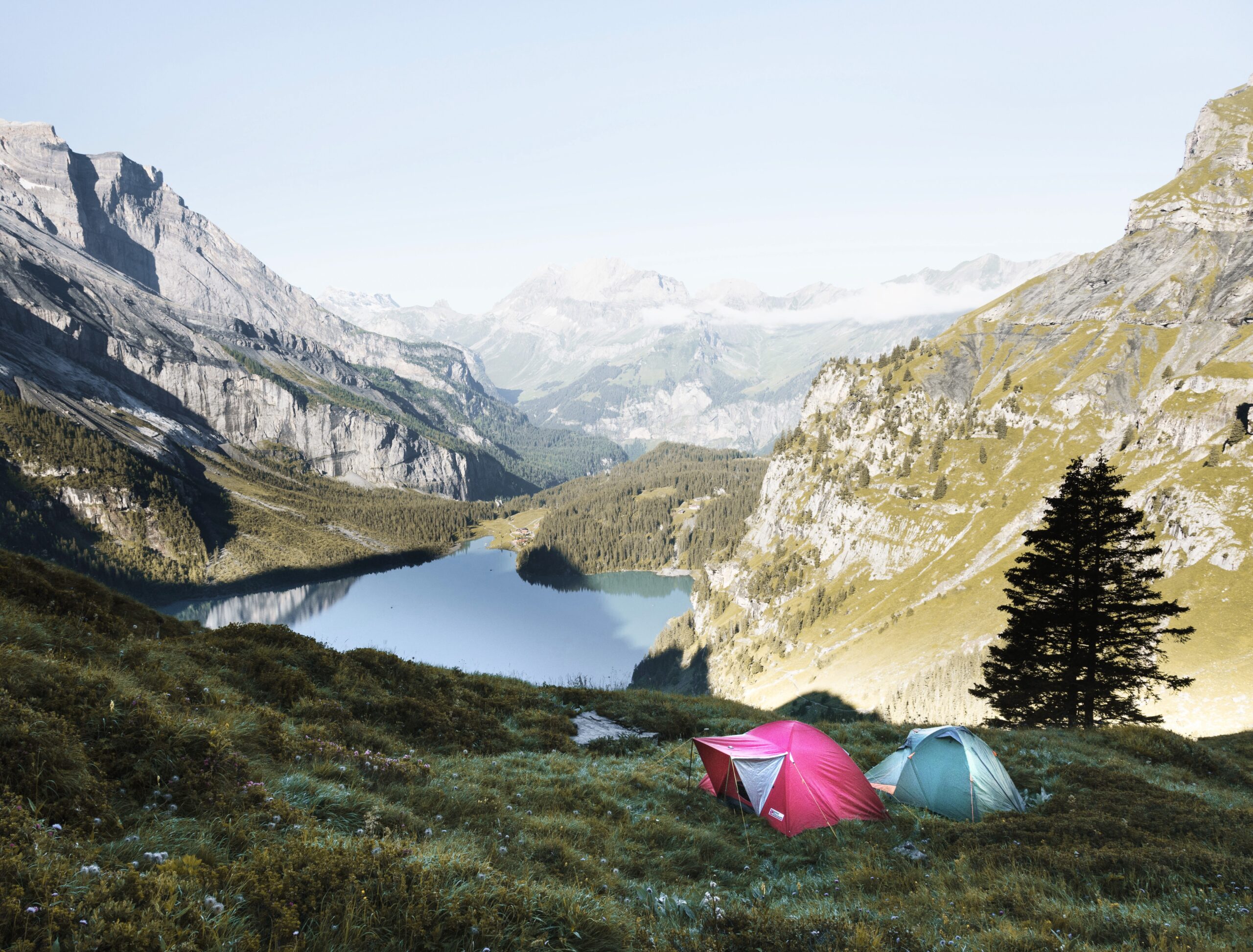
Ladakh is known for its striking mountains, open valleys, high-altitude lakes and unique cultural landscape. Travelling through the region can feel very different from visiting other parts of India.
Popular experiences include road trips, trekking, camping in permitted areas and exploring local monasteries and villages.
However, altitude is an important consideration. Visitors should allow time to acclimatise, understand the symptoms of altitude sickness and avoid rushing into strenuous activities after arrival.
Things to try: High-altitude trekking, scenic road journeys, camping where permitted and cultural exploration.
Best suited for: Experienced travellers and people prepared for remote, high-altitude conditions.
-
Dooars, West Bengal – For Wildlife and Nature Exploration
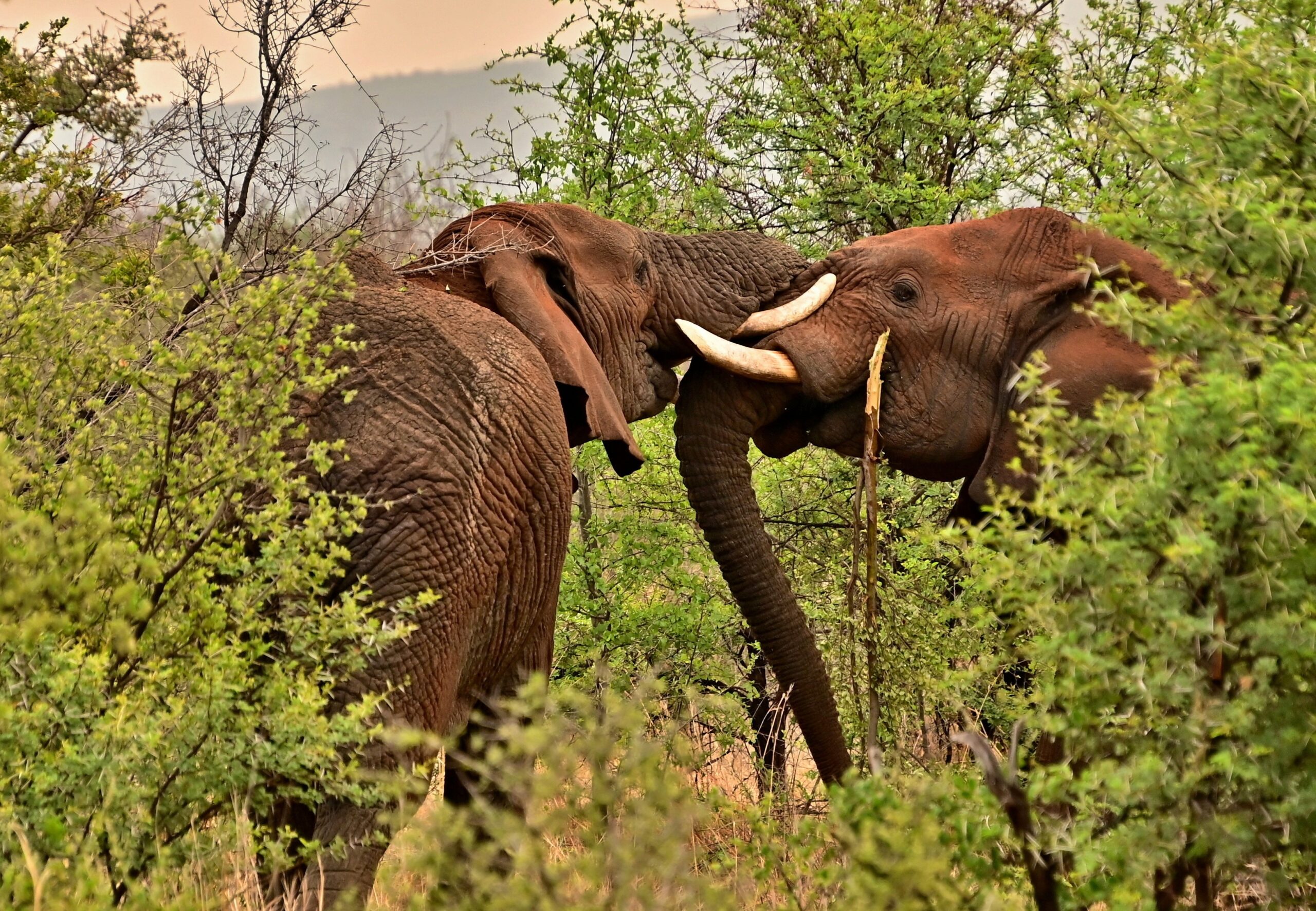
The Dooars region is a wonderful choice for travellers who enjoy forests, rivers, tea gardens and wildlife. Its landscape offers a different kind of adventure from the high mountains.
Visitors can explore areas around Gorumara National Park, Jaldapara National Park, Buxa Tiger Reserve and other natural attractions. Depending on permissions and availability, experiences may include wildlife safaris, birdwatching and guided nature activities.
The region is also known for its beautiful riverbanks, forest surroundings and tea estates.
Things to try: Wildlife safaris, birdwatching, nature exploration and visits to forest-side destinations.
Best suited for: Families, nature lovers, photographers and travellers interested in wildlife.
-
Meghalaya – For Waterfalls, Caves and Green Landscapes
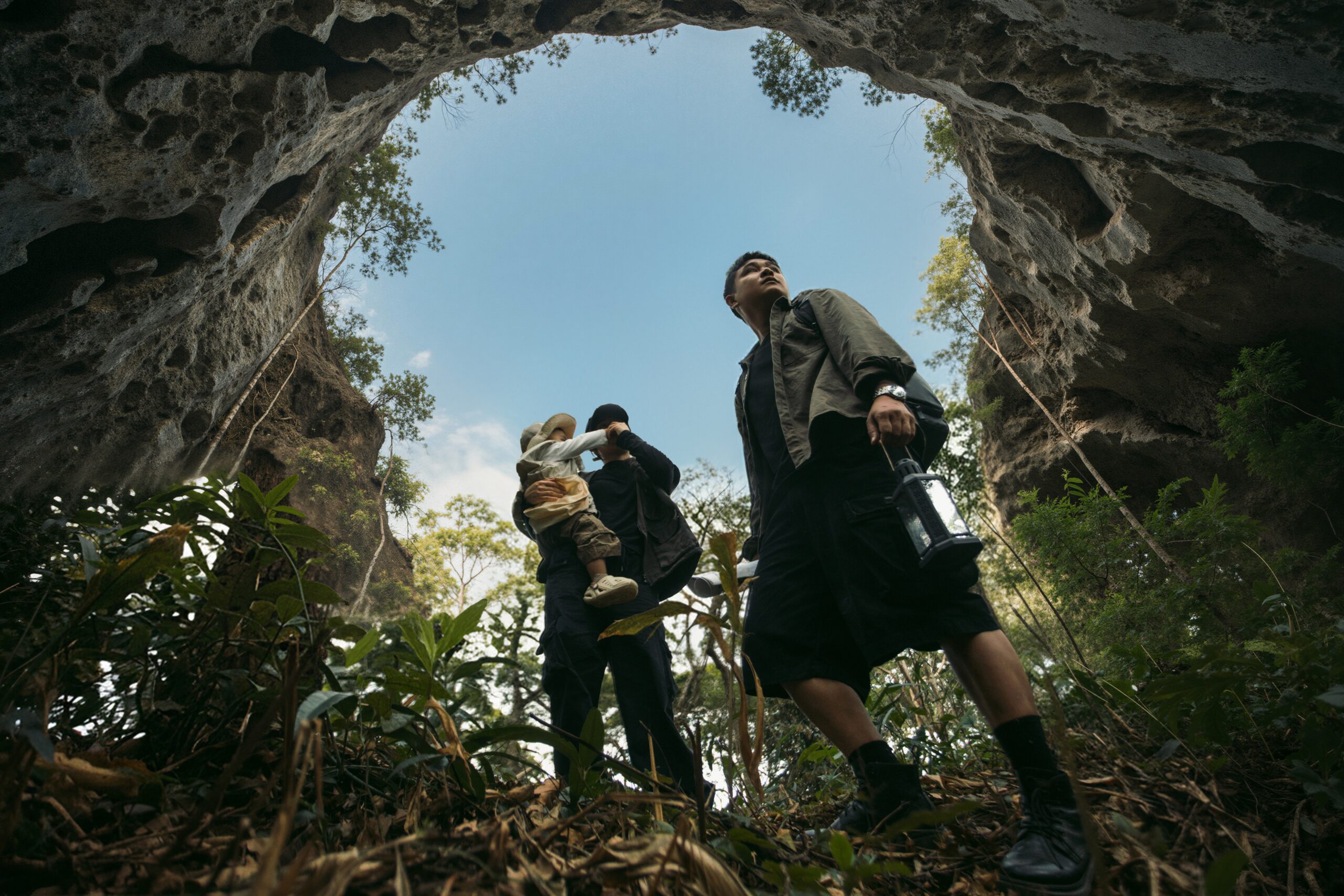
Meghalaya is an exciting destination for people who enjoy exploring unusual natural environments. Its landscape includes waterfalls, caves, hills, forests and villages connected by scenic trails.
Places around Cherrapunji, Shillong and Dawki attract travellers interested in outdoor activities. The living root bridges are particularly fascinating examples of how local communities have adapted to their natural surroundings.
Things to try: Trekking, cave exploration with trained guides, waterfall visits and kayaking where available.
Best suited for: Nature enthusiasts, photographers and travellers looking for less conventional experiences.
-
Sikkim – For Himalayan Trails and Mountain Views
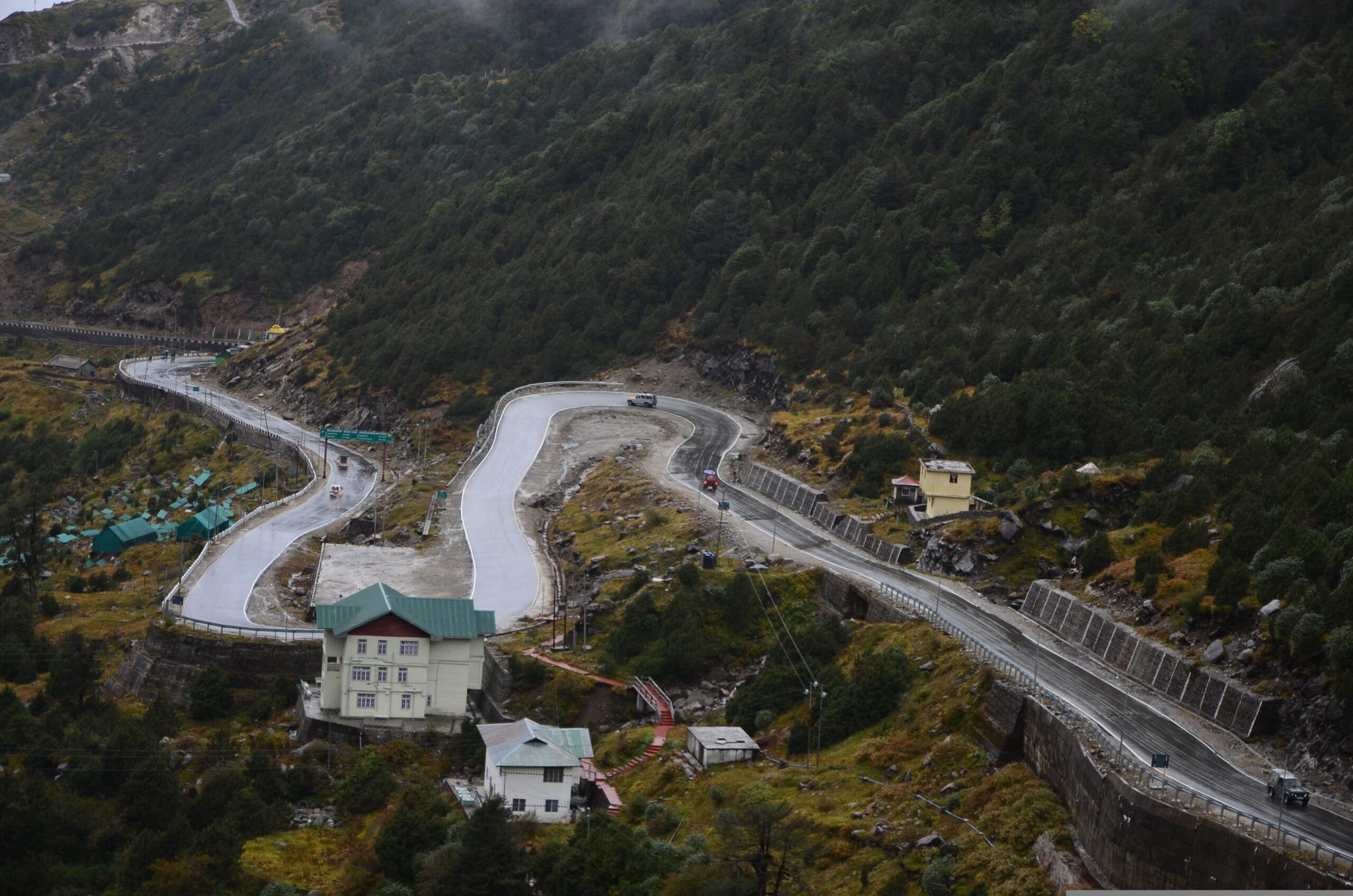
Sikkim offers beautiful mountain landscapes, peaceful villages and trekking opportunities. The state is especially attractive to travellers who enjoy high-altitude scenery and cultural exploration.
Popular areas include Yuksom, Pelling and regions around the Kanchenjunga landscape. Some trekking routes require permits, experienced guides and proper physical preparation.
Things to try: Guided trekking, mountain photography, village walks and nature exploration.
Best suited for: Hikers, mountain lovers and travellers interested in combining nature with local culture.
-
Andaman and Nicobar Islands – For Marine Adventures
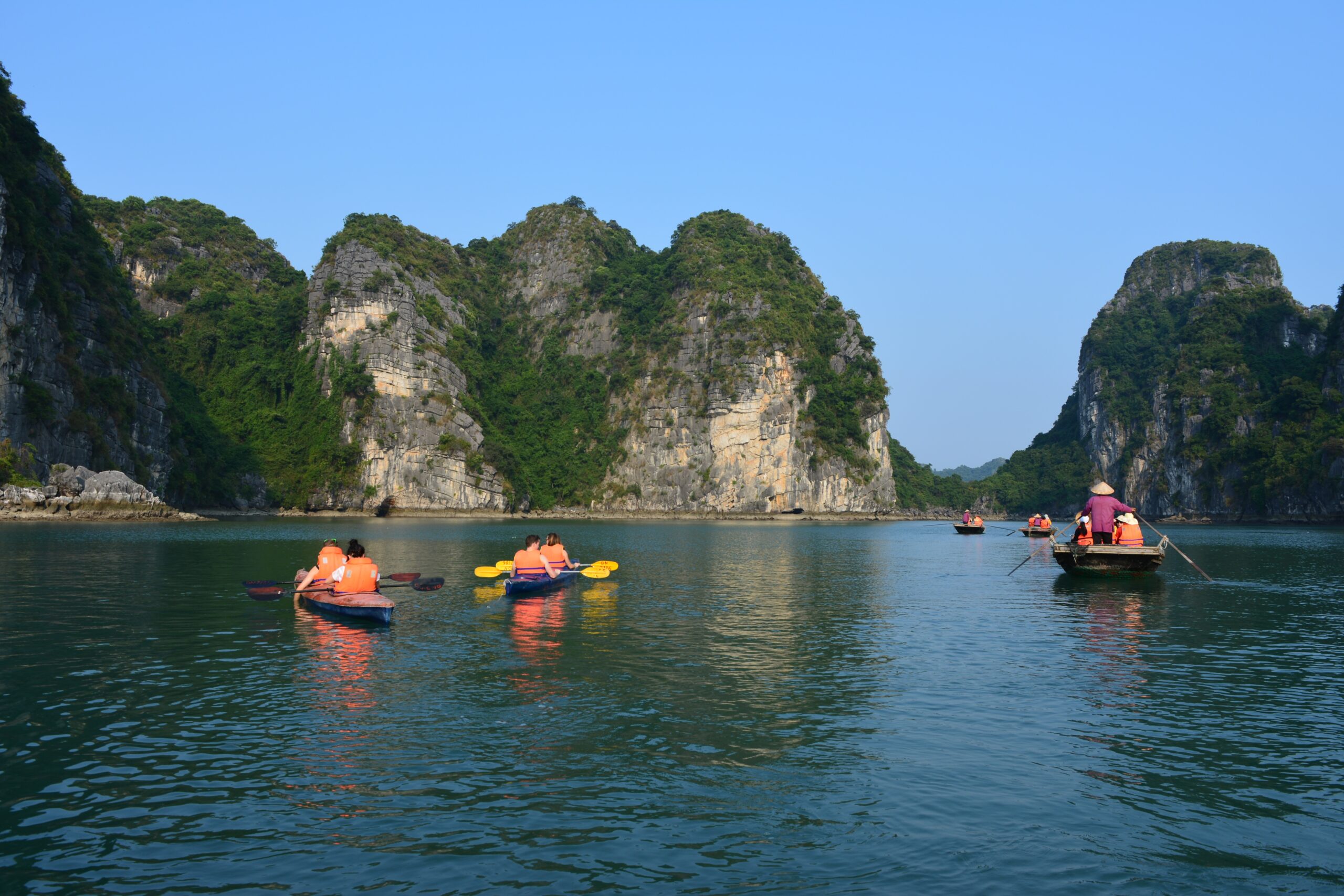
The Andaman Islands offer a completely different experience from India’s mountain destinations. Clear waters, beaches and marine environments make the region attractive to people interested in water-based activities.
Depending on location, conditions and operator availability, visitors can explore snorkelling, scuba diving, kayaking and other permitted marine activities.
Choose certified operators, respect marine life and avoid touching coral or disturbing underwater habitats.
Things to try: Snorkelling, scuba diving with qualified instructors, kayaking and beach exploration.
Best suited for: Water-sports enthusiasts, couples and travellers who enjoy coastal experiences.
How to Plan an Adventure Travel Holiday Without Unnecessary Stress
A memorable trip requires more than choosing an exciting destination. Good preparation helps you enjoy the experience while reducing avoidable risks.
-
Choose an Activity That Matches Your Comfort Level
Start by understanding what kind of experience you actually want. If you have never trekked before, you do not need to begin with a difficult Himalayan route.
A short guided hike, beginner-level rafting experience or organised camping trip can be a good starting point.
Consider your fitness, previous experience, age and any personal limitations before selecting an activity. If you have concerns about whether an activity is suitable for you, seek appropriate professional advice.
-
Research the Destination and Season
Weather can have a major impact on outdoor activities. A destination that is pleasant during one season may become difficult to access during another.
Before booking, check:
- Seasonal weather conditions
- Road and transport accessibility
- Local restrictions and permit requirements
- Activity availability
- Expected temperature and rainfall
- Emergency facilities and communication options
Avoid relying only on old photographs or social media posts. Conditions can change from year to year.
-
Pack the Right Clothing and Equipment
Your packing list should depend on the destination and activity. Comfortable clothing and suitable footwear are essential for most outdoor trips.
Some useful items include:
- Comfortable walking or trekking shoes
- Weather-appropriate clothing
- A reusable water bottle
- Sunscreen and sunglasses
- A basic first-aid kit
- Personal medicines, if required
- A power bank
- A small backpack
- Rain protection where appropriate
For specialist activities such as climbing, diving or mountaineering, use appropriate equipment and professional guidance. Do not assume that ordinary travel gear will be sufficient.
-
Book Qualified Guides and Responsible Operators
A reliable guide can make a major difference to your experience. They understand the local terrain, weather patterns, activity requirements and safety procedures.
Before confirming an activity, ask about the operator’s qualifications, equipment, emergency arrangements and group size. For regulated activities, check the relevant local permissions and certification requirements.
A cheaper package is not necessarily a better choice if it compromises safety or responsible practices.
-
Keep Your Itinerary Flexible
Outdoor trips do not always go according to plan. Rain, road closures, river conditions or unexpected delays may require changes.
Instead of filling every hour with activities, leave some room for rest and adjustments. A flexible itinerary helps you enjoy the destination without feeling pressured to complete everything.
Essential Safety Tips for Adventure Travel
Adventure should be exciting, but safety must always come first. Even a seemingly simple activity can become challenging when weather, terrain or physical conditions change.
Keep these precautions in mind:
Understand the risks: Read about the activity before booking. Know what level of fitness, experience and equipment it requires.
Follow professional instructions: Listen to your guide and respect safety briefings. Do not ignore restrictions simply because you feel confident.
Check weather conditions: Avoid activities during unsafe weather. Heavy rain, strong winds, extreme temperatures and poor visibility can create serious risks.
Stay hydrated: Carry enough drinking water and take breaks when needed, particularly during physically demanding activities.
Share your plans: If you are travelling independently, tell someone your route and expected return time.
Respect wildlife: Maintain a safe distance from animals. Never feed, chase or attempt to touch wild creatures.
Protect the environment: Carry back your waste, avoid damaging vegetation and follow local conservation rules.
Consider suitable travel insurance: Check whether your policy covers the activities you plan to undertake. Some policies exclude particular sports, high-altitude activities or specialist adventures unless additional cover is purchased. Read the policy wording carefully before relying on it.
Adventure Travel on a Budget: How to Make Your Trip Affordable
An adventurous holiday does not always require an expensive international trip or luxury resort. Many memorable experiences can be planned within a reasonable budget if you make thoughtful choices.
Travel During Suitable Shoulder Periods
If your dates are flexible, compare prices outside the busiest holiday periods. However, do not choose a season simply because it is cheaper. The activity must be safe and available during that time.
Choose Group Experiences
Some guided activities and transport arrangements become more affordable when costs are shared among a group. Group trekking departures and organised camping trips can be useful options.
Compare Package Inclusions
When comparing travel packages, look beyond the headline price. Check whether transport, accommodation, meals, permits, equipment, guide charges and activity fees are included.
A package that initially appears more expensive may offer better overall value if it includes essential services.
Pack Carefully to Avoid Last-Minute Purchases
Planning your equipment in advance can help you avoid buying unnecessary items at tourist destinations, where choices may be limited and prices may be higher.
Spend on What Matters Most
It may be possible to save on accommodation or non-essential shopping, but avoid cutting corners on qualified guides, suitable equipment, safety arrangements and necessary permits.
Responsible Adventure Travel: Explore Without Leaving a Negative Impact
Natural destinations are beautiful partly because of their fragile ecosystems. Tourism can support local livelihoods, but poorly managed activities can also damage forests, disturb wildlife and create waste.
Responsible choices help preserve the places that make these journeys special.
Choose locally operated services where possible, follow designated trails and respect community customs. Avoid single-use plastics when practical and carry your waste until you find an appropriate disposal facility.
When visiting wildlife areas, follow park rules and remember that animals should never be treated as entertainment. Keep noise levels low and respect restricted zones.
It is equally important to interact respectfully with local communities. Ask before photographing people, dress appropriately for cultural and religious spaces and support local businesses when you can.
The goal is not simply to visit a destination, but to leave it in a condition that allows others to enjoy it in the future.
Who Can Enjoy Adventure Travel?
One common misconception is that adventurous holidays are only for young people or highly athletic travellers. In reality, there are experiences suitable for different ages, interests and fitness levels.
Solo travellers may enjoy guided group treks, organised camping trips and outdoor experiences that provide opportunities to meet fellow travellers.
Families can choose nature walks, beginner-friendly activities, wildlife safaris and suitable camping experiences. Parents should always check age restrictions and safety requirements.
Couples may prefer mountain stays, scenic hikes, kayaking or peaceful campsites that combine outdoor exploration with relaxation.
Groups of friends can consider rafting, trekking, cycling and organised adventure packages, depending on everyone’s abilities.
The most important thing is to select an experience that suits the people travelling with you. A holiday should challenge you in an enjoyable way, not place unnecessary pressure on anyone.
Frequently Asked Questions About Adventure Travel
-
What is adventure travel?
Adventure travel involves exploring destinations through outdoor activities, physical challenges and immersive experiences. Common examples include trekking, hiking, camping, river rafting, cycling, wildlife exploration and water sports. The difficulty can range from beginner-friendly activities to demanding expeditions.
-
Which are the best adventure travel destinations in India?
India offers many options, depending on the experience you want. Rishikesh is popular for river rafting, Manali and Uttarakhand offer mountain activities, Ladakh attracts high-altitude explorers, Meghalaya is known for caves and waterfalls, and the Dooars region is ideal for wildlife and nature exploration.
-
Is adventure travel suitable for beginners?
Yes. Beginners can start with guided nature walks, easy trekking routes, beginner-level rafting experiences and organised camping trips. Choose activities according to your fitness and experience, check the safety arrangements and follow the instructions of qualified guides.
-
What should I pack for an adventure trip?
Your packing list depends on the destination, season and activity. Generally, comfortable footwear, weather-appropriate clothing, a reusable water bottle, sunscreen, a first-aid kit, personal medicines, a power bank and a small backpack are useful. Specialist activities may require additional equipment.
-
Is travel insurance necessary for adventure activities?
Travel insurance can provide useful protection, but coverage depends on the policy. Some standard plans exclude activities such as mountaineering, scuba diving or high-altitude trekking. Before purchasing a policy, check whether your planned activities are covered, along with medical expenses, evacuation, cancellations and other relevant benefits.
Final Thoughts: Make Your Next Holiday an Adventure
The most memorable journeys are often the ones that take us beyond our usual routines. They introduce us to unfamiliar landscapes, encourage us to try new experiences and give us a fresh perspective on the world around us.
Adventure travel does not have to mean climbing the highest mountain or taking part in the most extreme activity. It can be as simple as walking through a forest you have never visited, camping beneath the stars or exploring a new region with a local guide.
India offers an incredible variety of opportunities, from the mountains of Uttarakhand and Himachal Pradesh to the forests of the Dooars, the green landscapes of Meghalaya and the marine experiences of the Andaman Islands.
The secret is to choose an experience that excites you, prepare thoughtfully and travel responsibly.
So, when you plan your next holiday, consider doing something different. Move beyond the usual sightseeing schedule, explore at your own pace and give yourself the chance to experience a destination more deeply.
Your next great story might begin where the ordinary journey ends.Visit Briotravels .